
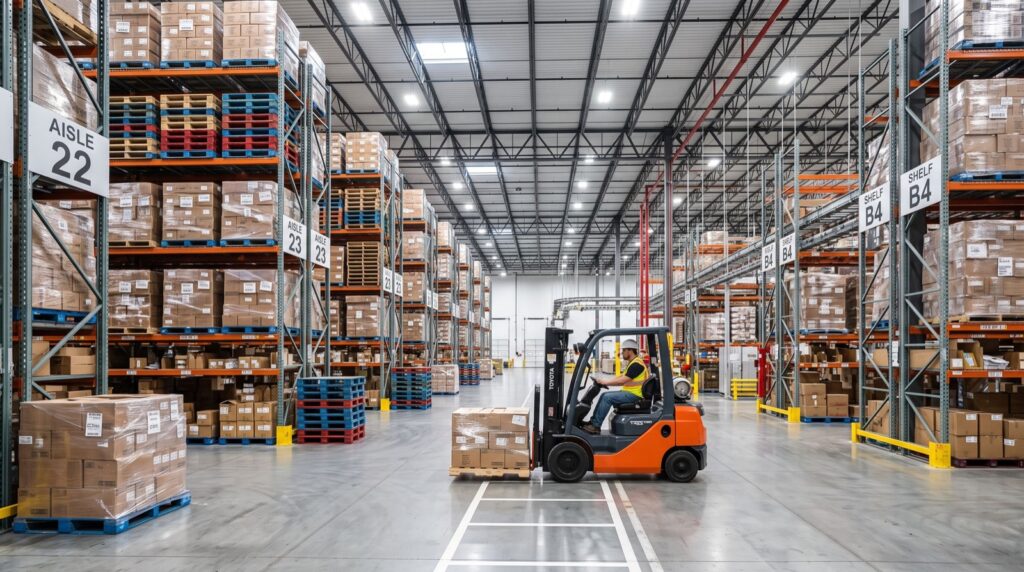
Electronics Storage in Saudi Arabia: 2026 Safety Guide
Electronics storage has become a specialist discipline, and in 2026 any business holding devices, components, or smart hardware needs to treat it that way. From data-centre spares to warehouses full of smartphones, tablets, and IoT sensors, high-value electronics degrade quietly when they sit in the wrong environment. This guide explains how to store electronics safely in the Saudi climate, what threatens them, and how to protect your assets from heat, humidity, and static.
The stakes are high because the damage is often invisible until it is too late. A batch of lithium batteries stored through a hot summer may test fine on arrival yet fail early in the field, taking your warranty costs and reputation with it. Getting storage right is risk management, not just logistics.
The Three Enemies of Stored Electronics
Electronics face three main threats in storage, and all three are amplified by the Kingdom’s climate. Understanding them is the first step to defeating them.
- Heat: accelerates battery ageing, softens adhesives, and stresses solder joints.
- Humidity: drives condensation and corrosion on contacts and boards.
- Static electricity: can silently destroy sensitive semiconductors during handling.
Purpose-built Storage for Electronics & Smart Devices tackles all three at once with stable temperature control, active dehumidification, and anti-static shelving and handling procedures. That combined defence is what separates a safe facility from a risky back room.
Why lithium batteries deserve extra care
Modern devices depend on lithium-ion cells, and these are the most temperature-sensitive component of all. Storing them too warm shortens their lifespan and, in extreme cases, raises safety risks. Manufacturers and safety bodies recommend a cool, stable environment for long-term battery storage.
Battery safety authority UL publishes detailed guidance on handling and storing lithium-ion cells, which you can review through the UL battery safety resource. Following those principles keeps both your stock and your staff safe.
Temperature and Humidity Targets for Electronics
There is no single number for every device, but the ranges below are a practical starting point for storing electronics in Saudi Arabia. Always defer to the manufacturer’s spec sheet when it is stricter.
| Item | Ideal temperature | Ideal humidity | Note |
|---|---|---|---|
| Consumer devices | 15–25°C | 40–60% RH | Keep out of direct heat |
| Lithium batteries | Cool, ~15°C | Low, stable | Store partially charged |
| Circuit boards | 15–25°C | Below 60% RH | Anti-static packaging |
| Optical media | Cool, stable | 30–50% RH | Avoid swings |
How Should a Business Store Electronics Long Term?
Long-term storage needs a repeatable process, not guesswork. Follow these steps to keep a large inventory safe over months rather than days.
- Condition the space: lock temperature and humidity into a stable band and monitor continuously.
- Package properly: keep devices in anti-static bags and original boxes where possible.
- Elevate and separate: shelve stock off the floor and away from exterior walls that radiate heat.
- Rotate batteries: cycle battery-powered stock periodically so cells do not sit fully depleted.
For businesses without in-house capacity, partnering with reputable service experts who understand both climate control and asset protection removes the guesswork and gives you documented, audit-ready storage. That documentation matters for insurers and enterprise clients alike.
An original tip on charge levels
Store lithium devices at roughly 40–60% charge rather than full or empty. A cell left fully charged in heat ages faster, while one stored flat can drop into deep discharge and never recover. This single habit measurably extends the usable life of warehoused battery stock.
When Electronics Meet the Cold Chain
Some sensitive components and connected medical or lab devices ship alongside temperature-critical goods and even need refrigerated holding. In those cases, precision-controlled Chilled Storage in Riyadh keeps both the hardware and any accompanying temperature-sensitive materials within spec under one roof.
Consolidating specialised electronics storage and chilled capacity with a single provider simplifies compliance and dispatch, which is a growing advantage as medical technology and smart devices converge.
Protecting the Value of Stored Electronics
Electronics are among the highest-value goods a business stores, so protecting them is as much about security and process as it is about climate. A well-run facility guards the asset from every angle, not just the thermostat.
Security comes first. Devices are attractive targets, so controlled access, CCTV coverage, and accurate inventory tracking all reduce shrinkage. A serialised, barcode-driven system means you always know exactly what is on the shelf and can spot a discrepancy the moment it appears.
Handling discipline protects the hardware itself. Grounded workstations, anti-static wrist straps, and careful stacking limits prevent the invisible damage that ruins components long before a customer ever powers them on. Training staff on these basics pays for itself many times over.
A protection checklist for stored devices
- Access control: restrict who can enter high-value zones.
- Serial tracking: log every unit in and out by serial number.
- Anti-static handling: ground staff and surfaces during picking.
- Insurance alignment: keep documentation your insurer will accept.
Insurance is the often-overlooked layer. Insurers increasingly expect documented temperature, humidity, and security controls before they will cover high-value electronics, and a facility that already produces those records makes your cover cheaper and your claims smoother.
Finally, think about the full lifecycle. Devices returned, refurbished, or awaiting recycling still hold value and still need protection. Keeping these separated but equally controlled prevents cross-contamination of stock and keeps your sellable inventory pristine, which matters more than ever as product ranges expand in 2026.
Frequently Asked Questions
What is the ideal temperature for storing electronics?
Most consumer electronics store best in a stable range of 15–25°C with humidity around 40–60%. Lithium batteries prefer the cooler end of that band, and you should always follow a stricter manufacturer specification when one exists.
Does humidity really damage stored electronics?
Yes. High humidity causes condensation and corrosion on contacts and circuit boards, leading to early failure. Active dehumidification and anti-static packaging are the most effective defences in a coastal Saudi climate.
How should I store lithium batteries safely?
Keep them cool, dry, and partially charged at roughly 40–60%, in a stable environment away from heat sources. Following recognised battery-safety guidance protects both product lifespan and workplace safety.
Can one facility store electronics and refrigerated goods?
Yes. Multi-zone providers run electronics-grade ambient bays alongside chilled and frozen rooms, so a business can consolidate mixed inventory, simplify compliance, and streamline dispatch with a single partner.
Conclusion
Safe electronics storage in 2026 comes down to defeating heat, humidity, and static with controlled space, disciplined packaging, and smart battery habits. Set your temperature and humidity targets, protect your lithium stock, and lean on documented, professional support to guard high-value assets. Ready to stop losing devices to invisible damage? Partner with a specialist storage team today and keep your electronics inventory safe, compliant, and ready to sell.