
Every property discussion in the twin cities eventually lands on the same fork in the road: should you buy a plot and hold it, or buy a finished house and start earning rent? For anyone weighing Silver City plots for sale against a ready-built home in Rawalpindi, the answer in 2026 depends less on gut feeling and more on cash flow, capital growth, and how patient your money can be.
This is one of the most common questions I field from clients, and the honest answer is that neither option is universally better. Each rewards a different kind of investor. Let me walk you through the trade-offs so you can match the choice to your own timeline and risk appetite.
Plot vs built house: the core trade-off
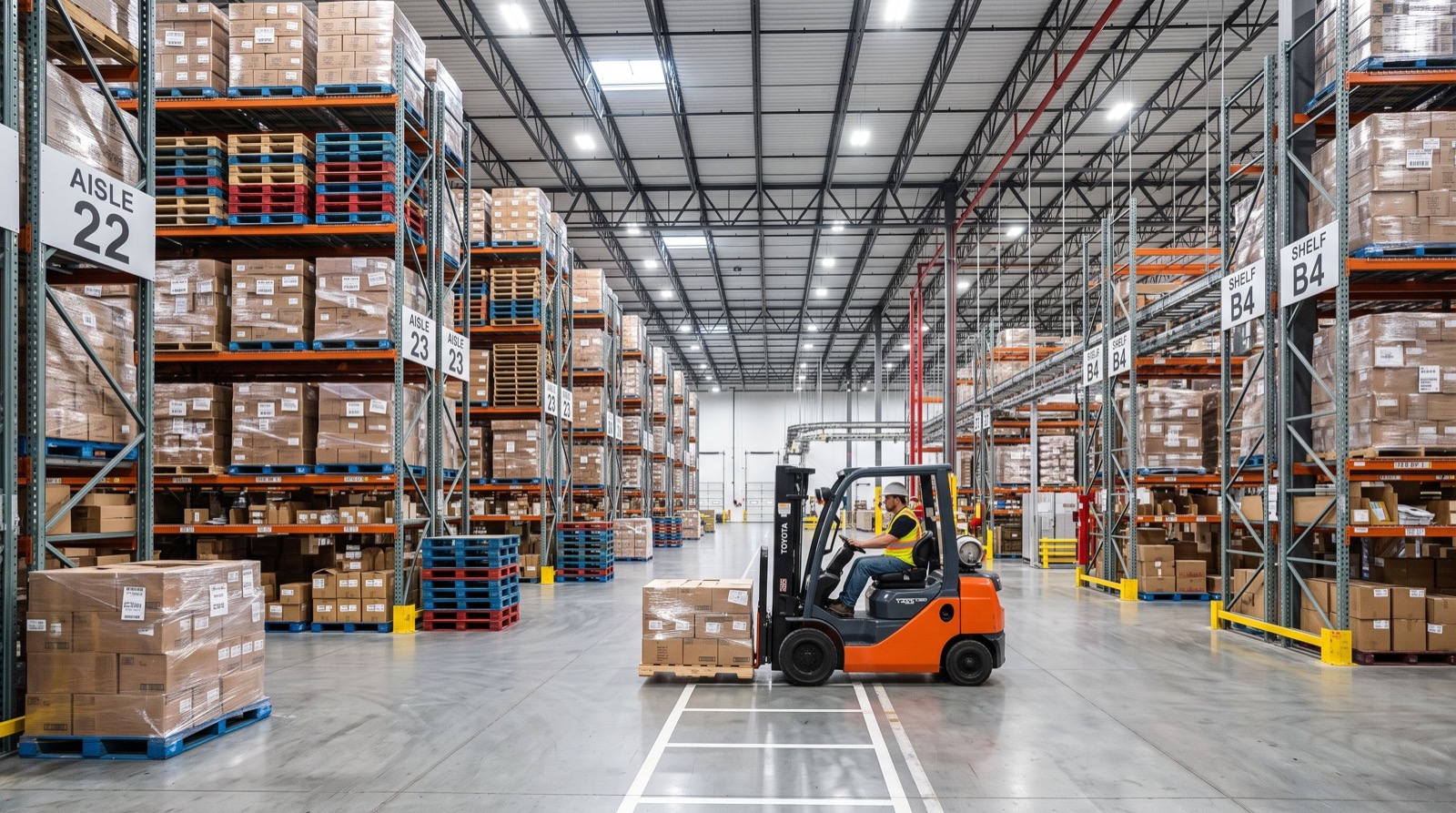
A plot is a growth asset. It appreciates as an area develops, but it earns nothing while you wait. A built house is an income asset. It generates rent from day one, but a large share of your capital is locked into bricks that depreciate over time.
The land under a house appreciates; the structure slowly loses value and needs maintenance. That single fact explains why seasoned investors in Islamabad and Rawalpindi often prefer well-located plots for pure capital growth.
Where each option shines
- Plots reward patience, lower entry cost, and minimal upkeep.
- Built houses reward investors who need monthly income now.
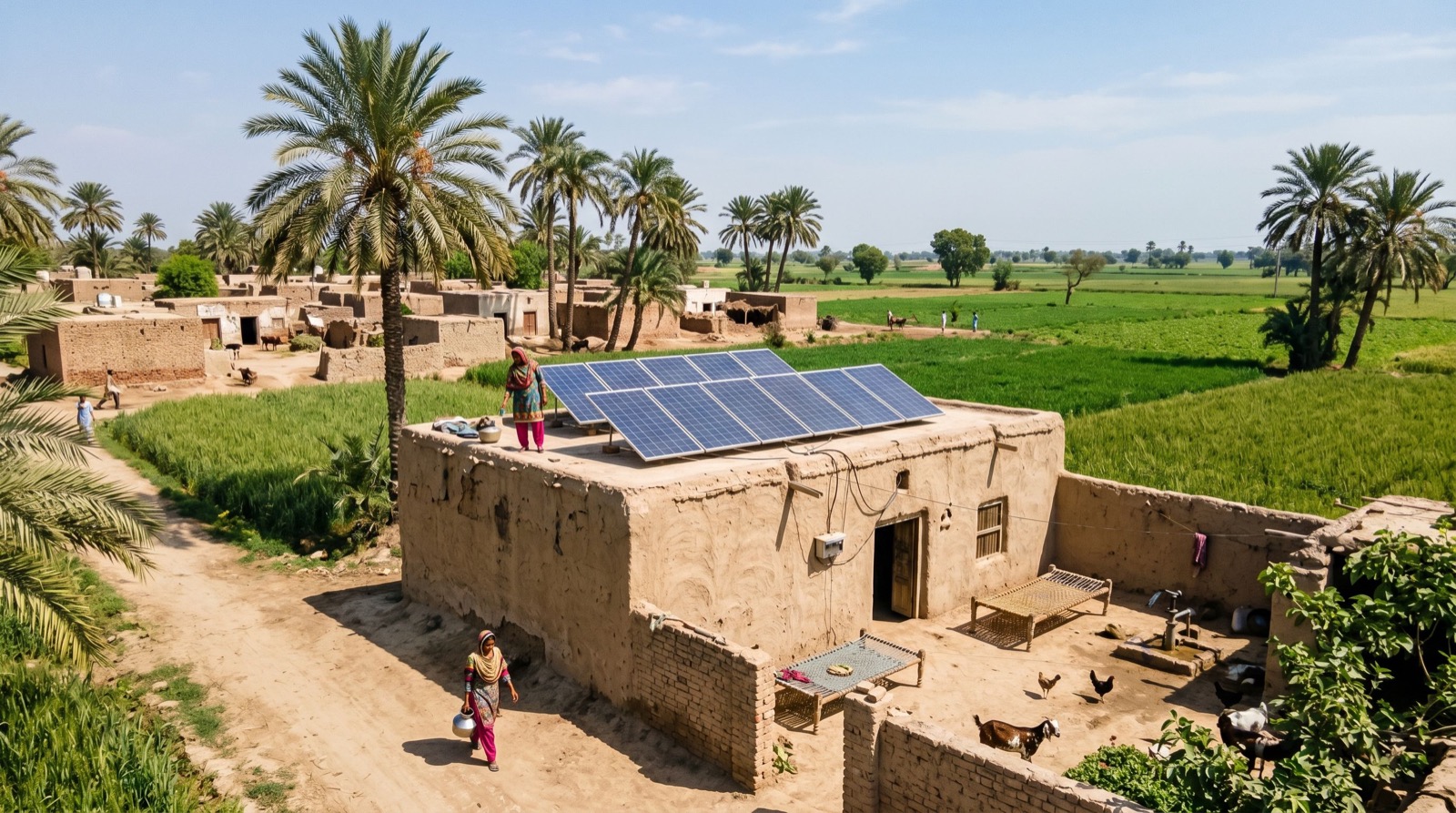
- Plots suit overseas Pakistanis who cannot manage tenants remotely.
- Built houses suit those who want to occupy or rent immediately.
Comparing returns, cost, and effort
Numbers make the decision clearer than adjectives. The table below reflects the typical pattern investors report across the Islamabad–Rawalpindi corridor, though exact figures vary by society and phase.
| Factor | Residential Plot | Built House |
|---|---|---|
| Entry cost | Lower | Higher |
| Rental income | None | Immediate |
| Rental yield | N/A | ~3–5% gross |
| Capital growth | Strong in developing areas | Moderate (land only) |
| Maintenance | Negligible | Ongoing |
| Liquidity | High in approved societies | Slower to sell |
Notice that rental yields on Pakistani residential property are modest by global standards. That is why the bulk of investor returns here has historically come from capital appreciation rather than rent, which tilts many portfolios toward land.
Why do plots appreciate faster in developing societies?
Appreciation follows development. When a society lays roads, energises grids, and reaches possession, plot values climb in visible steps. Buying early in a credible, approved scheme captures that uplift.
A finished house in an already-mature area has largely priced in that growth. The easy gains happened before you arrived. In a developing society, you buy closer to the start of the curve.
This is exactly why buyers researching Residential Plots in Rawalpindi often focus on phases that are actively developing rather than fully settled. The growth runway matters more than the current polish.
Matching the choice to your goals
Your ideal option is the one that fits your life, not a spreadsheet average. Work through these three questions honestly.
- Do you need income now? If yes, a built house wins despite lower total returns.
- Can your money wait three to seven years? If yes, a plot in a developing society usually outperforms.
- Will you manage the asset yourself? Plots demand almost no management; houses demand tenants, repairs, and time.
Getting this framework right is easier when you lean on reputable service experts who understand both the local market and your personal circumstances. Generic advice rarely fits a specific budget.
A blended strategy many investors miss
You do not have to choose only one path. A practical approach is to anchor your portfolio with an appreciating plot for growth, then add a rental property later once the land has gained value. This staggers your risk and builds both wealth and income over time.
One concrete tip: if you buy a plot now, set a clear exit trigger before you purchase, for example a target price or a possession milestone. Investors who define their exit in advance avoid the classic mistake of holding forever and never realising the gain.
How financing changes the equation
Access to credit tilts the plot-versus-house decision in ways many buyers overlook. Banks in Pakistan generally lend more readily against approved, developed property, and a finished house can sometimes be leveraged more easily than raw land.
That said, most plot purchases in developing societies are made through the developer’s own installment plans rather than bank mortgages. Those plans let you enter with a smaller down payment and pay over two to four years, which effectively lowers your entry barrier. Before assuming a mortgage is available, review current housing-finance conditions through the State Bank of Pakistan, whose policy rate directly shapes what banks will lend and at what cost.
If you are cash-constrained, an installment plot in a growing society can be the more accessible path. If you can secure financing and want income now, a house may suit you better. Match the tool to your resources.
Timing the market without gambling
Nobody can perfectly time property, but you can avoid the worst entry points. The strongest plot gains historically come from buying during the development phase, before possession, when prices still reflect uncertainty rather than finished infrastructure.
Houses behave differently. Their value is more stable but grows slowly, so timing matters less. This is another reason growth-focused investors gravitate toward plots in actively developing schemes.
- Enter a plot early in a credible, approved phase for maximum upside.
- Buy a house when you need immediate occupancy or rental income.
- Avoid overpaying for a fully mature phase where growth has already happened.
- Always confirm the developer’s delivery record before committing to a timeline.
Getting started with Silver City
Silver City has positioned itself for exactly this kind of growth-focused buyer, offering a range of residential plot sizes in a compliant, actively developing environment near the twin cities. For investors prioritising appreciation over immediate rent, browsing the current Silver City Plots for sale is a sensible starting point.
Always confirm the phase’s development status, transfer terms, and payment schedule before committing. A growth asset only works if the fundamentals underneath it are solid.
Frequently Asked Questions
Do plots or houses give better returns in Pakistan?
Over multi-year horizons, well-located plots in developing societies have typically delivered stronger total returns through capital appreciation. Houses offer immediate rent but weaker overall growth because the structure depreciates.
What rental yield can I expect from a house in Rawalpindi?
Gross rental yields on residential property in the corridor generally sit in the low single digits, roughly 3 to 5 percent. Investors here usually earn far more from price appreciation than from rent.
Are Silver City plots a good option for overseas buyers?
Plots suit overseas Pakistanis well because they require almost no management, unlike a rented house that needs a landlord on the ground. Verify the society’s approval and use only official payment channels.
Should I ever buy both a plot and a house?
Yes, a blended strategy is popular. Many investors hold a plot for growth and add a rental property later, balancing long-term appreciation with steady monthly income.
The verdict
Choosing between Silver City plots for sale and a built house comes down to whether you value growth or income, and how long your capital can stay patient. For most investors targeting appreciation in a developing part of Rawalpindi, a well-chosen plot remains the smarter 2026 play, with rental property added later as your wealth compounds.